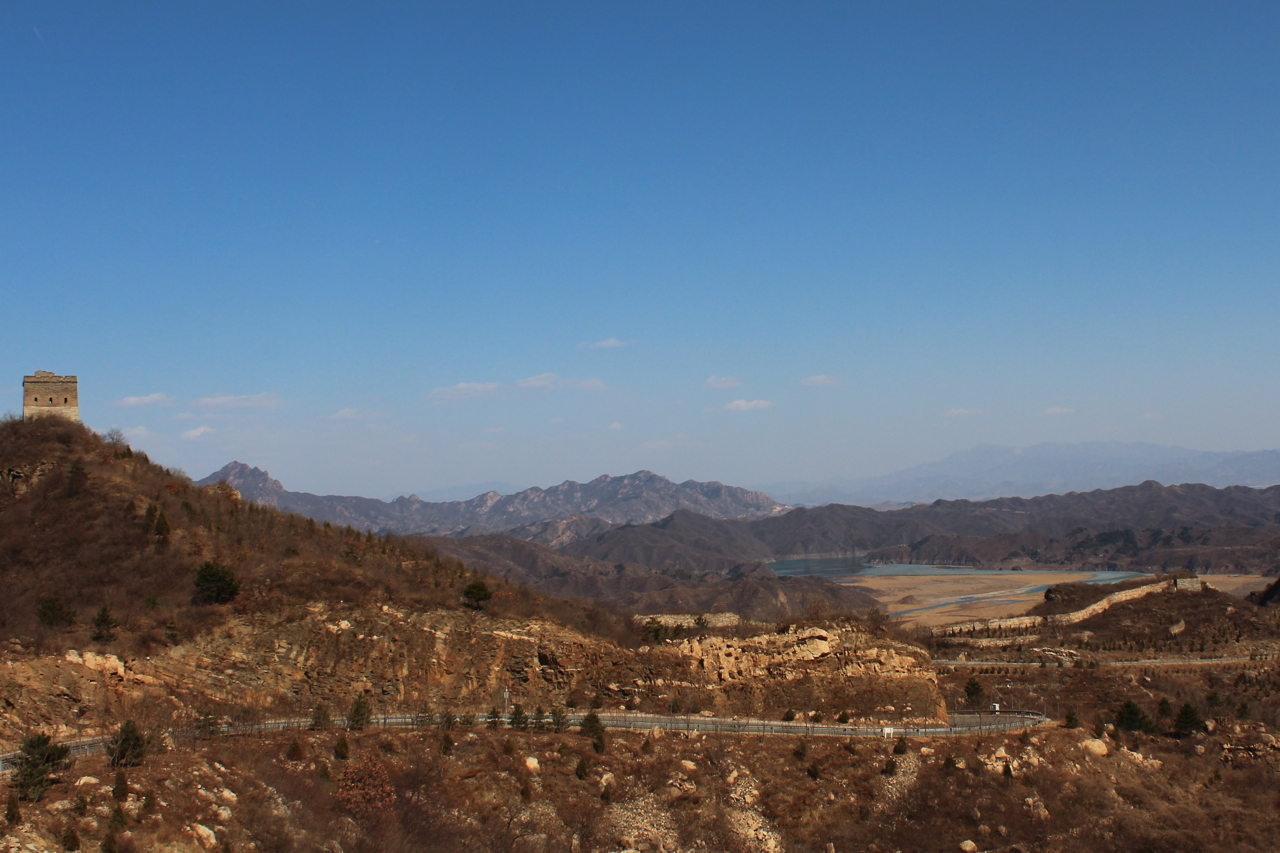


Part 1: The Middle section of the Great Wall of China (surrounding Beijing suburbs).
The best-known section of the Great Wall of China is Badaling. It’s located 70 km northwest of Beijing and was rebuilt in the late 1950s, attracting thousands of national and foreign tourists every day. I was about to embark on a 7 day charity trek covering 60km of The Great Wall of China. The day before the trek we went to see the touristic part of the Badaling wall. Here we took a gentle stroll to see the historical marvel for the first time in our lives. This part of the wall is fully restored and looks impeccable.
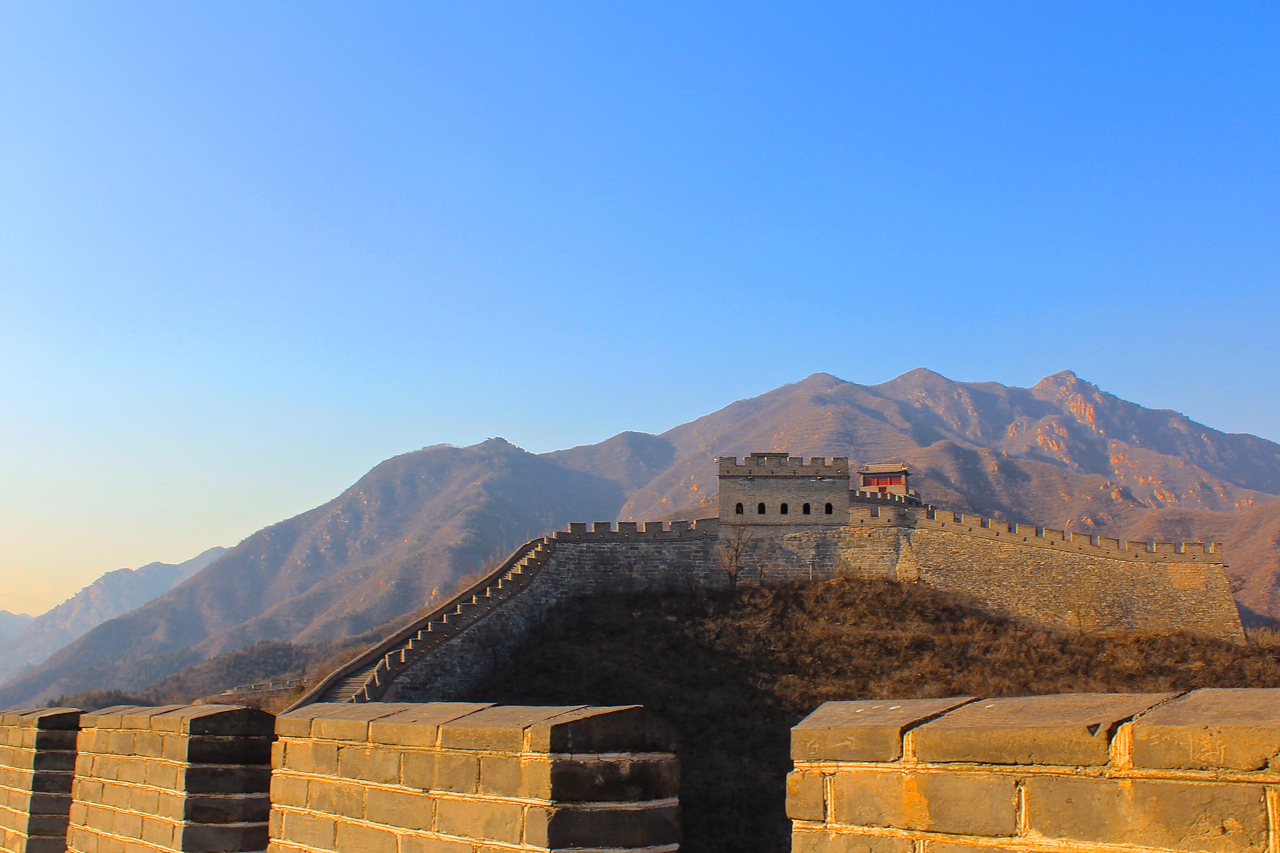
Great Wall of China, Badaling
On the first day of the trek, we drove to the non-restored section of Badaling. The clear skies gave beautiful views of the surrounding mountainous landscape. Several watchtowers were unique in design and many parts were extremely steep and crumbling apart. Many parts of the wall were claimed by nature and interwoven with overgrowth.

Great Wall of China, Badaling
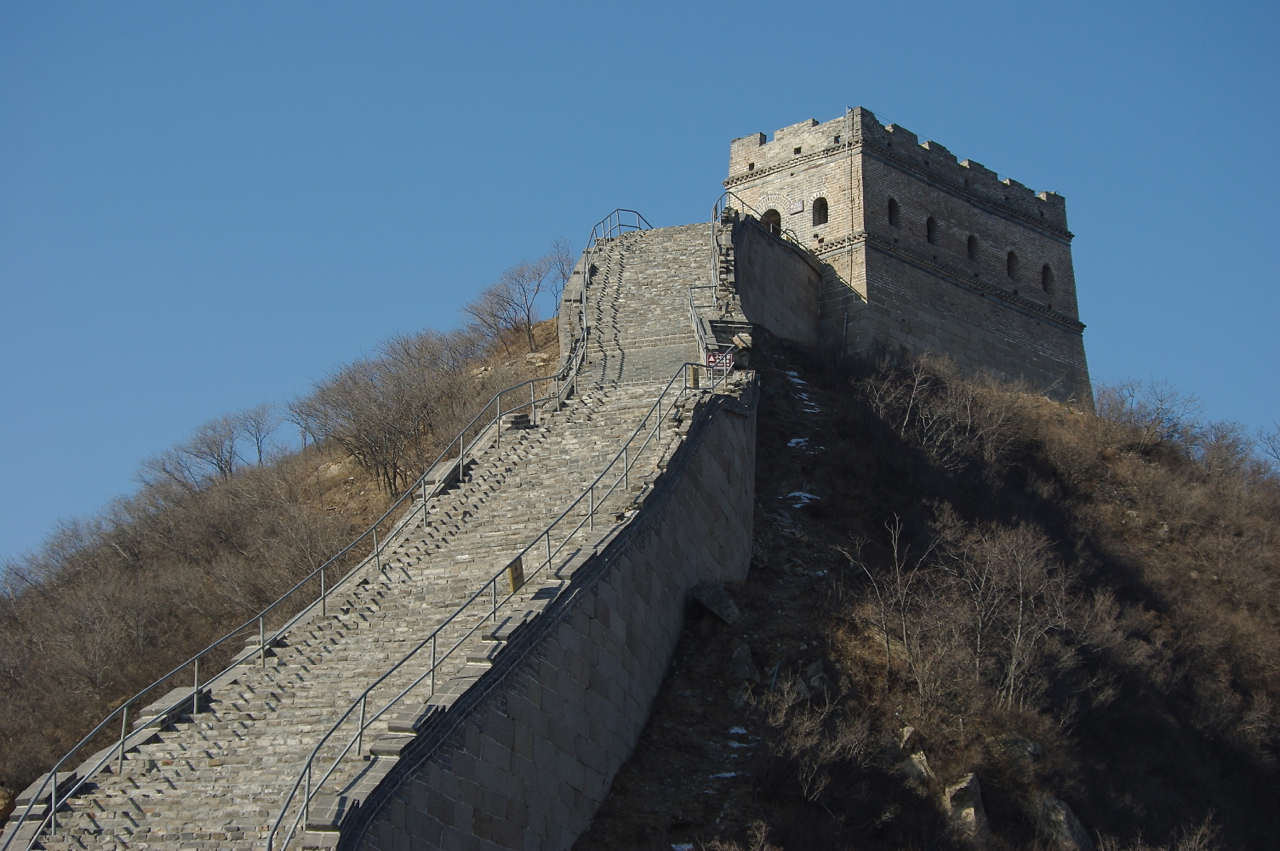
Great Wall of China, Badaling
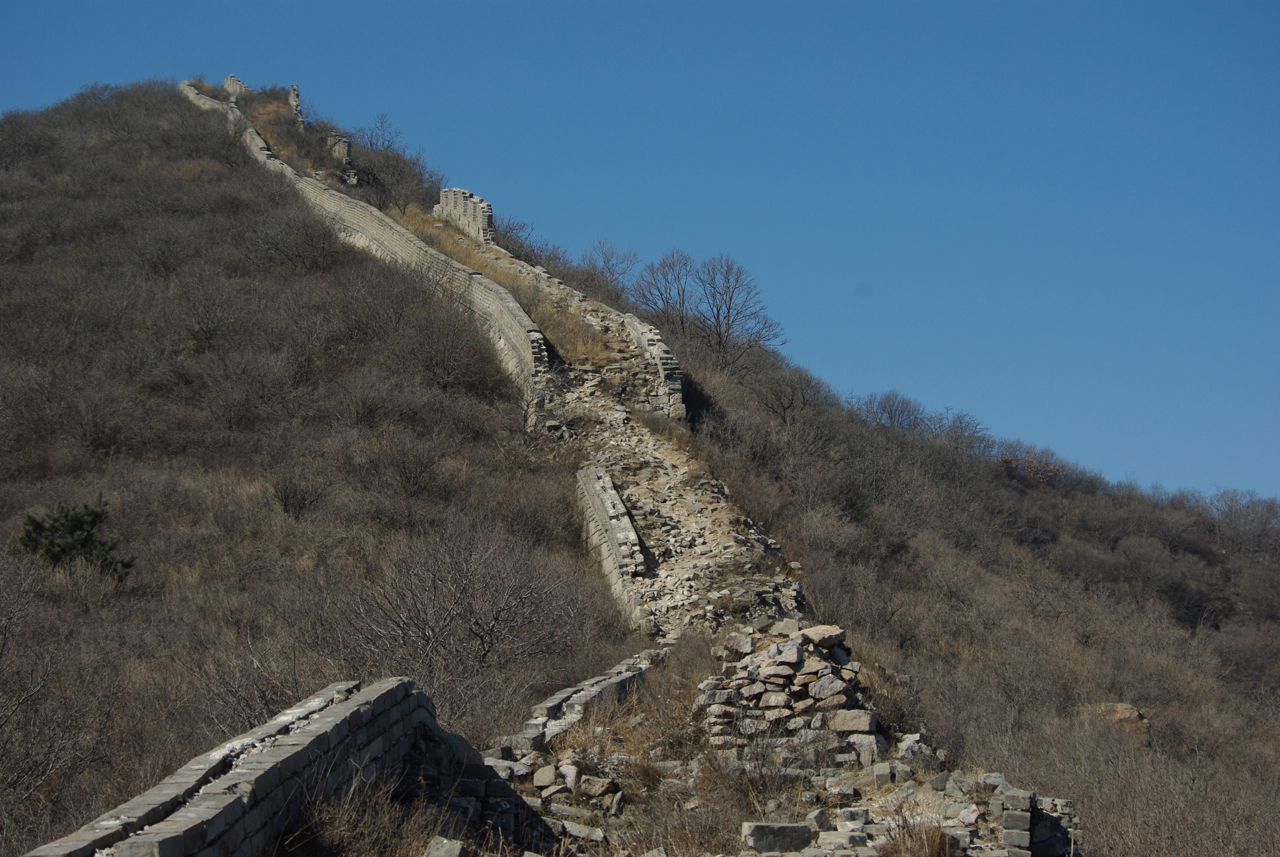
Great Wall of China, Badaling
On the second day of the trek, we climbed an alternative route from a National park called Black Dragon Pool. The river and waterfalls were still frozen yet the sun provided enough heat to make the climbing a challenge. From the National Park we went off the beaten track to try and reach the wall situated above us. Once we climbed up to the wall we explored watchtowers and navigated through overgrowth. We were treated to picturesque views of the below reservoirs and surrounding mountains whilst enjoying the experience of climbing remote parts of the wall. As we went further into our trek, the condition of the wall improved but the steep climbing started to take havoc on our legs.
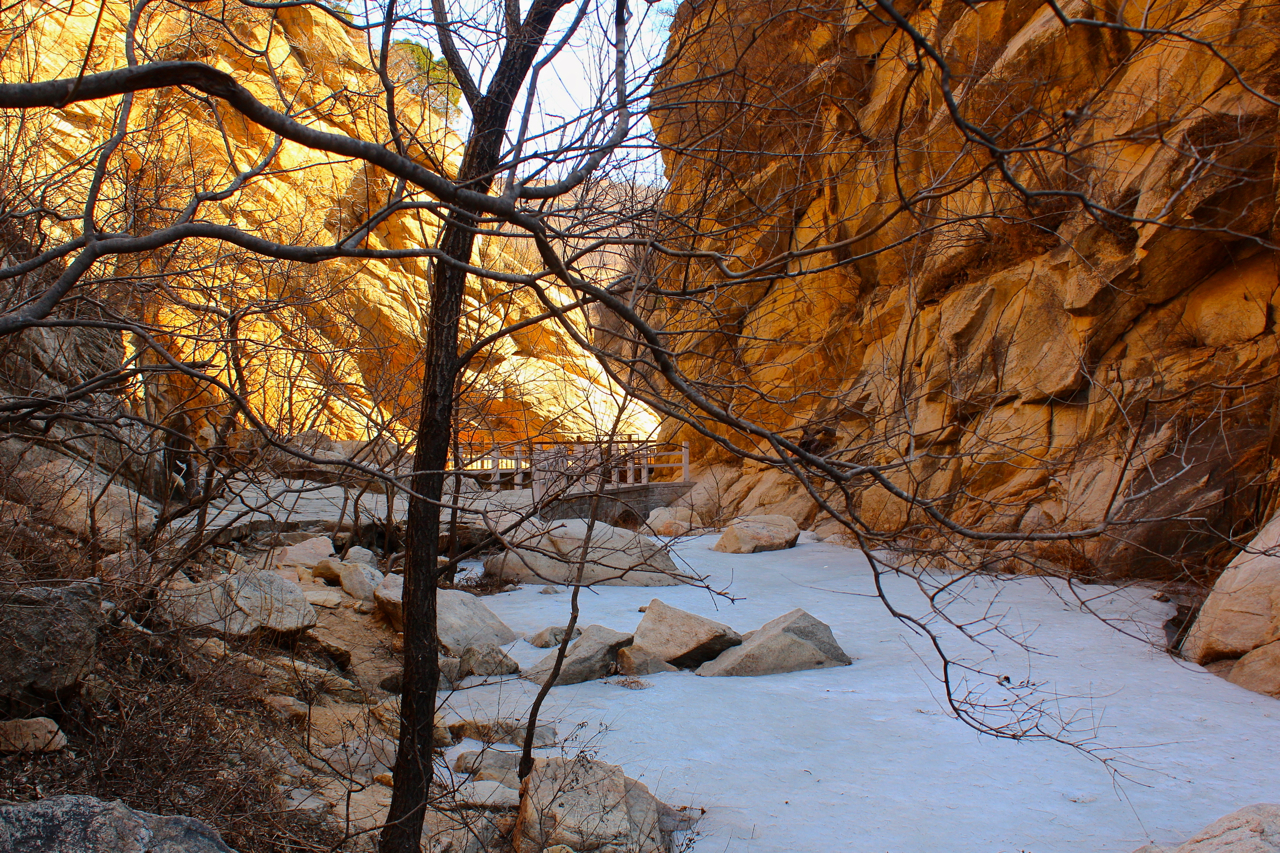
Black dragon Pool- Finding a path to the Great Wall of China
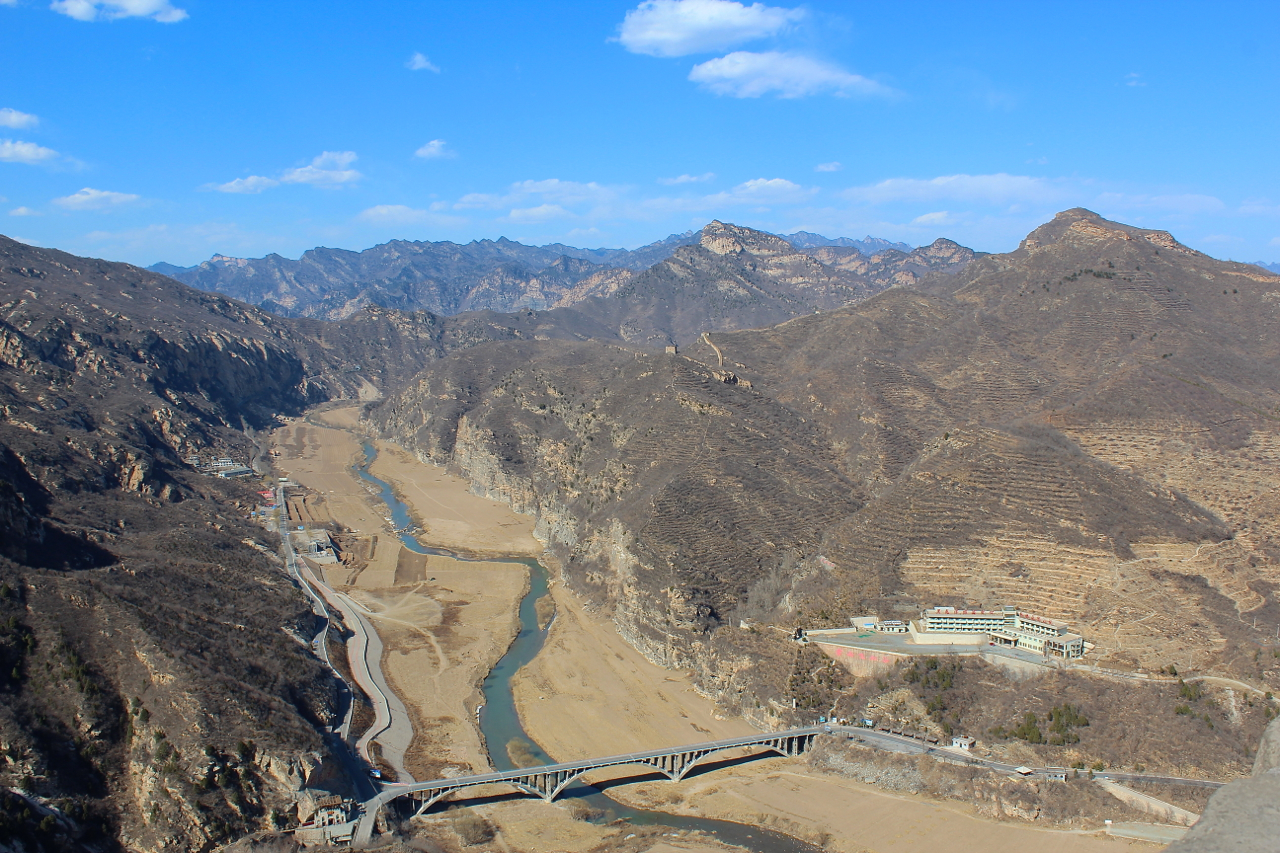
Huanghuacheng

Huanghuacheng- View from a watch tower
On the third day we covered the Gubeikou section of the wall which was also used as a gateway to provide further defence to this territory.
Gubeikou was the site of incessant warfare and was heavily guarded by the armies of various dynasties from 7th-13th century. In particular, the Ming Dynasty (1368- 1644AD) typically added many defence installations during their rule. The main castle no longer exists and much of the wall is in poor condition. The 14 kilometre trek was tiring as many parts of the wall seemed almost vertical in steepness. Passing through a variety of watchtowers allowed us to view the difference styles of architecture in each one.
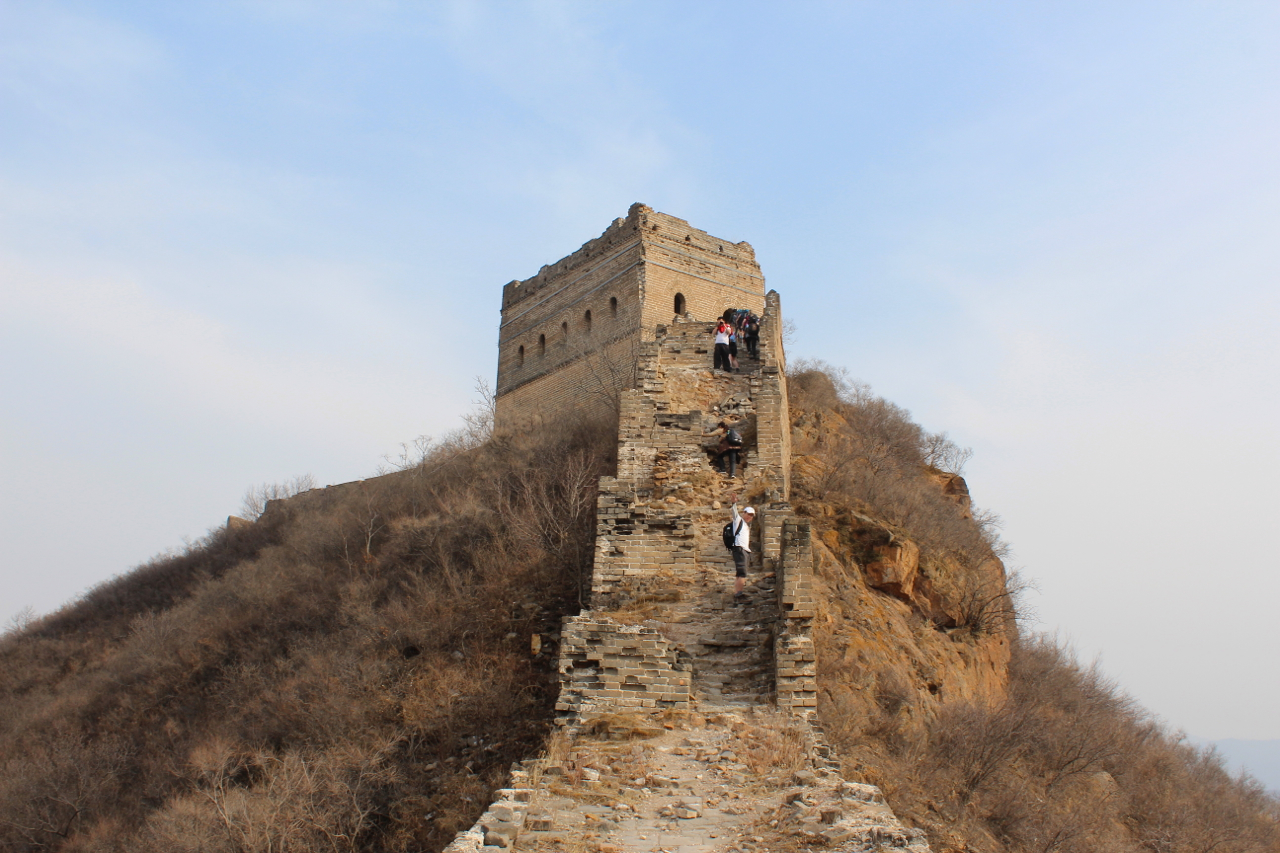
Gubeikou
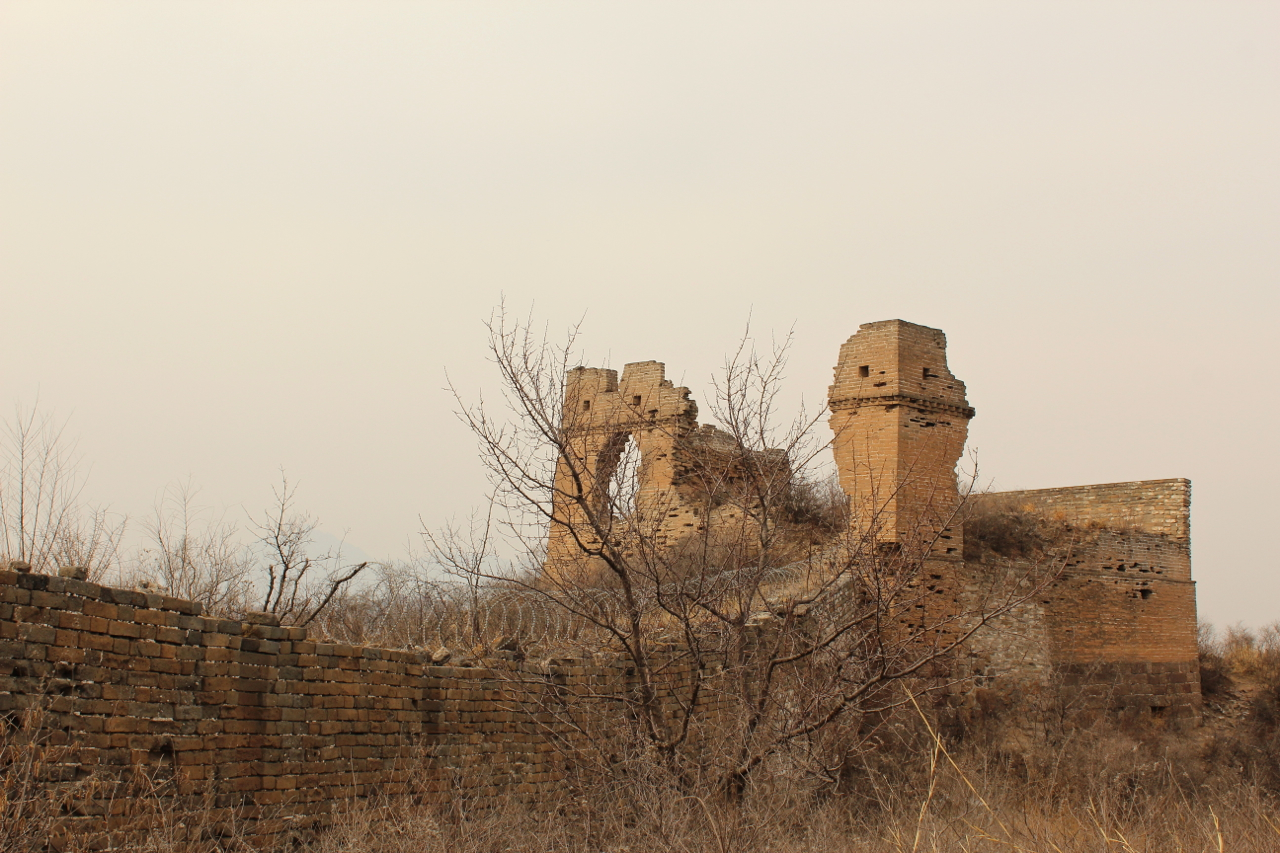
Gubeikou
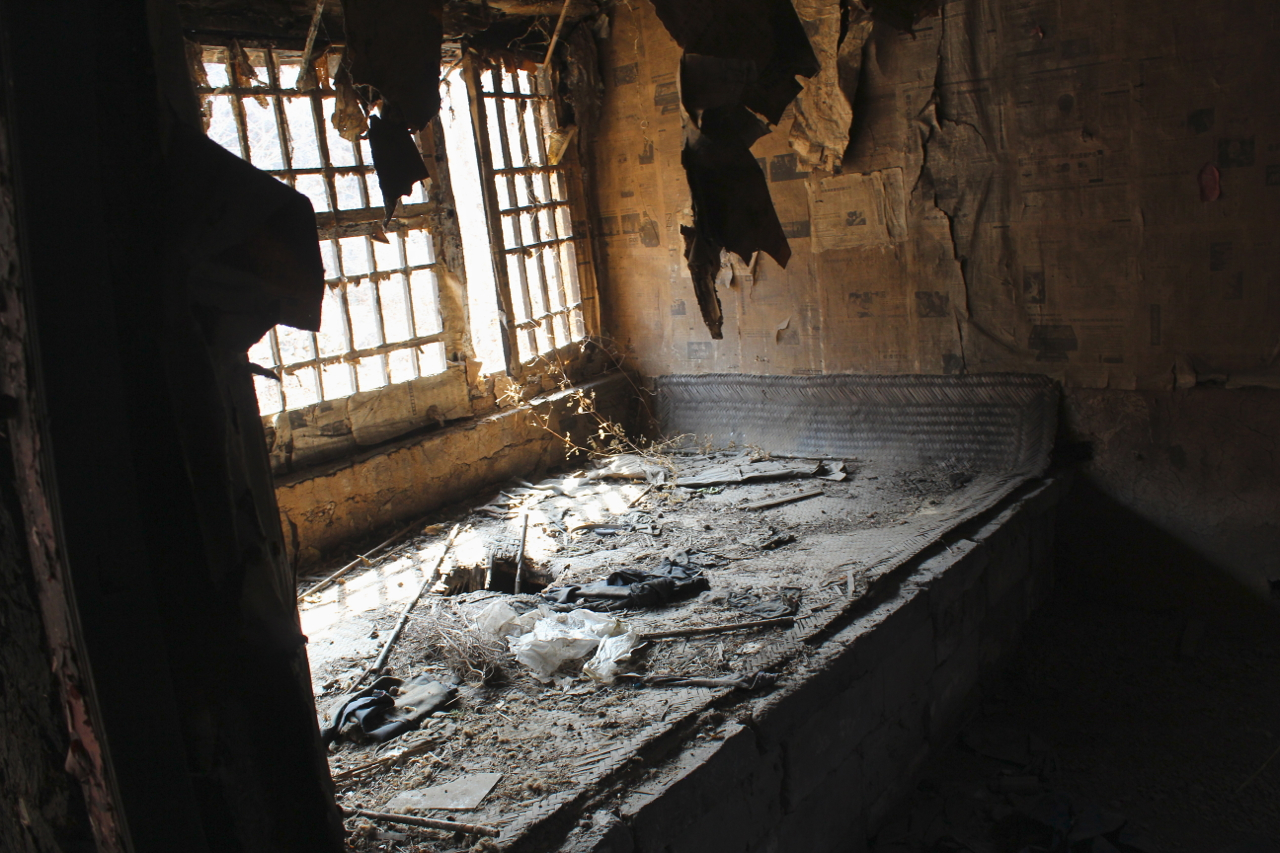
Gubeikou- An ancient and abandoned farmhouse in a village beneath the wall
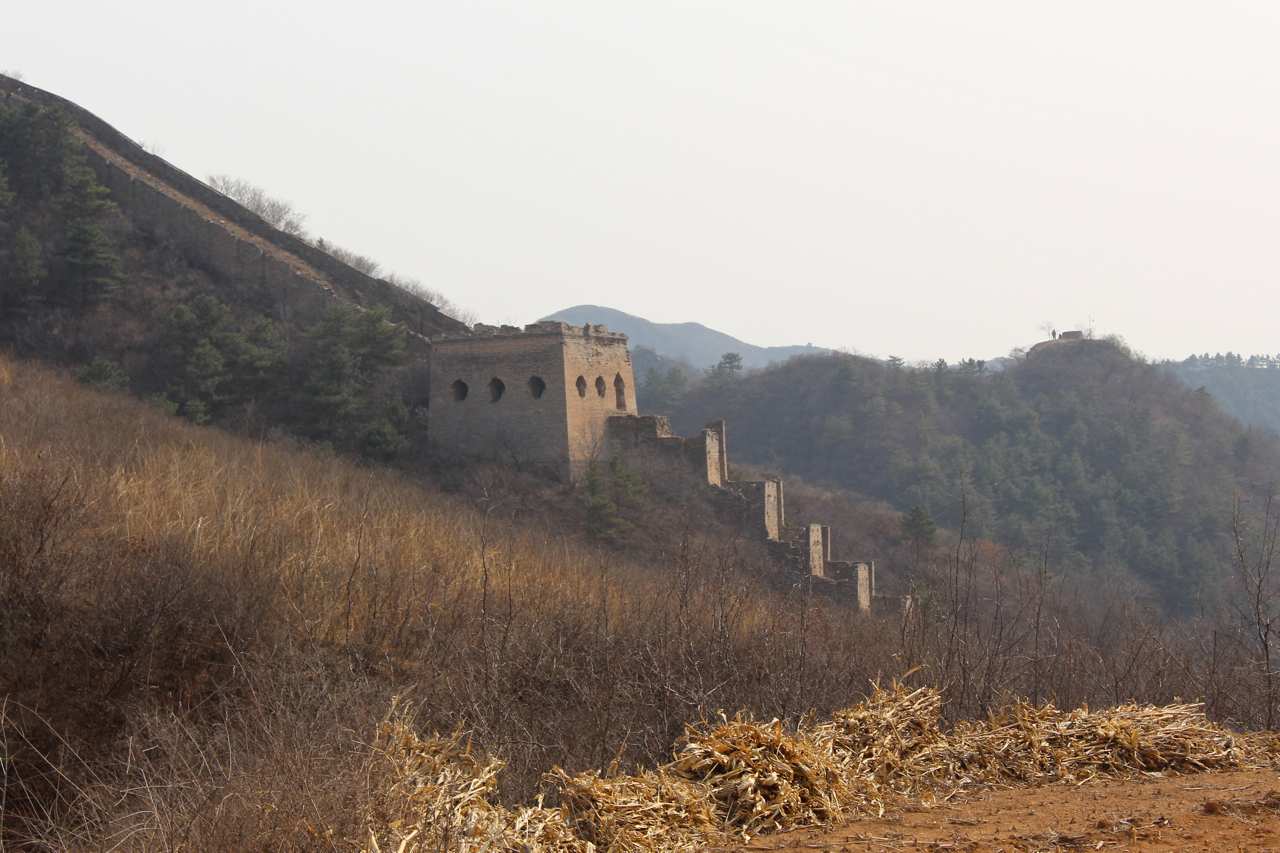
Gubeikou
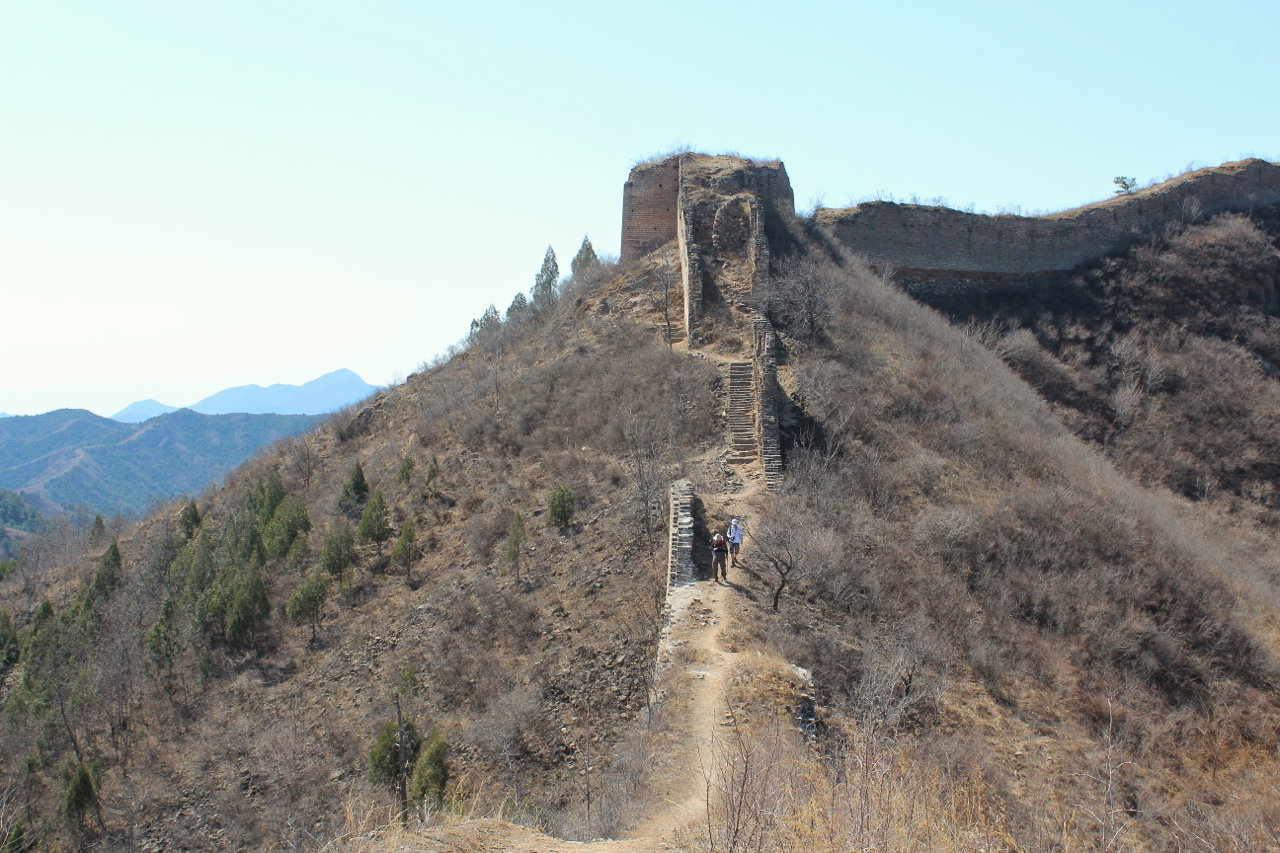
Gubeikou
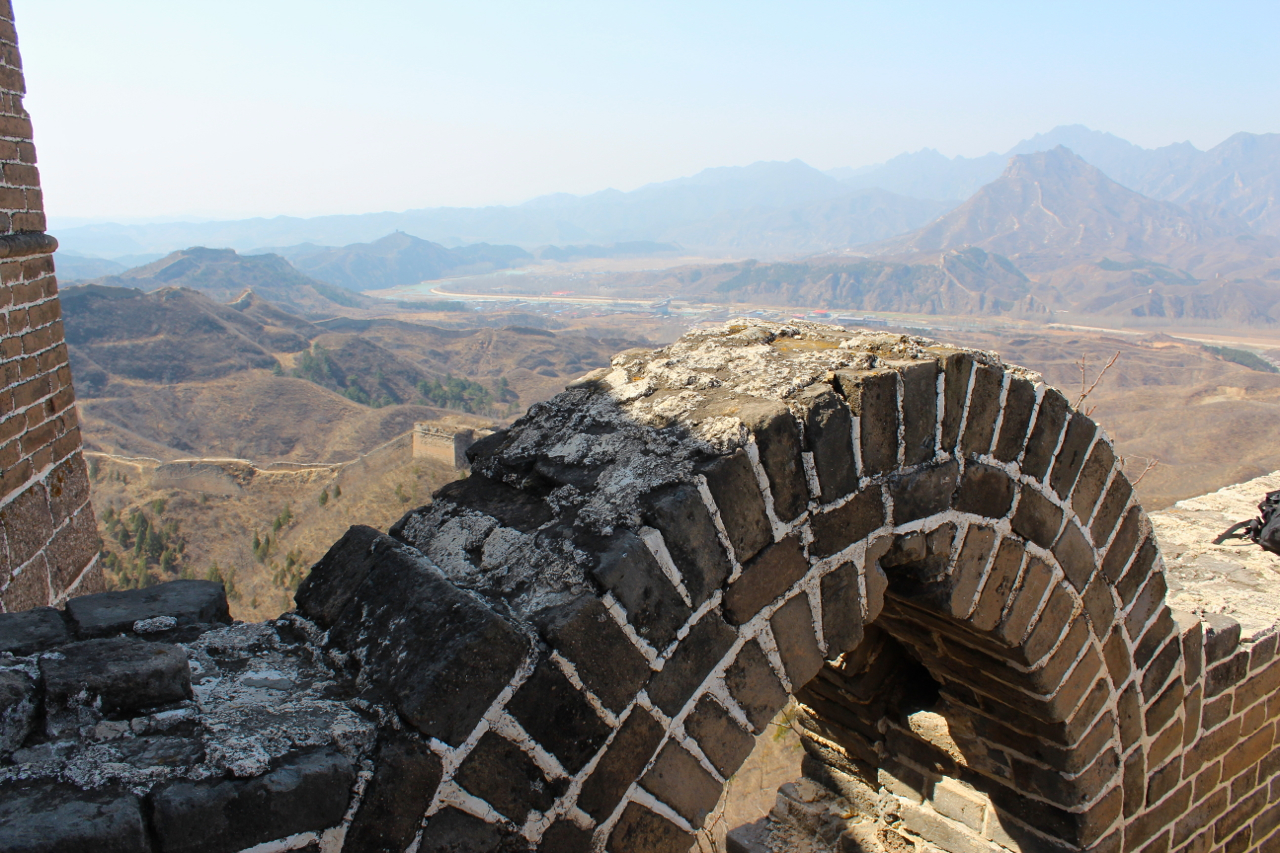
Gubeikou
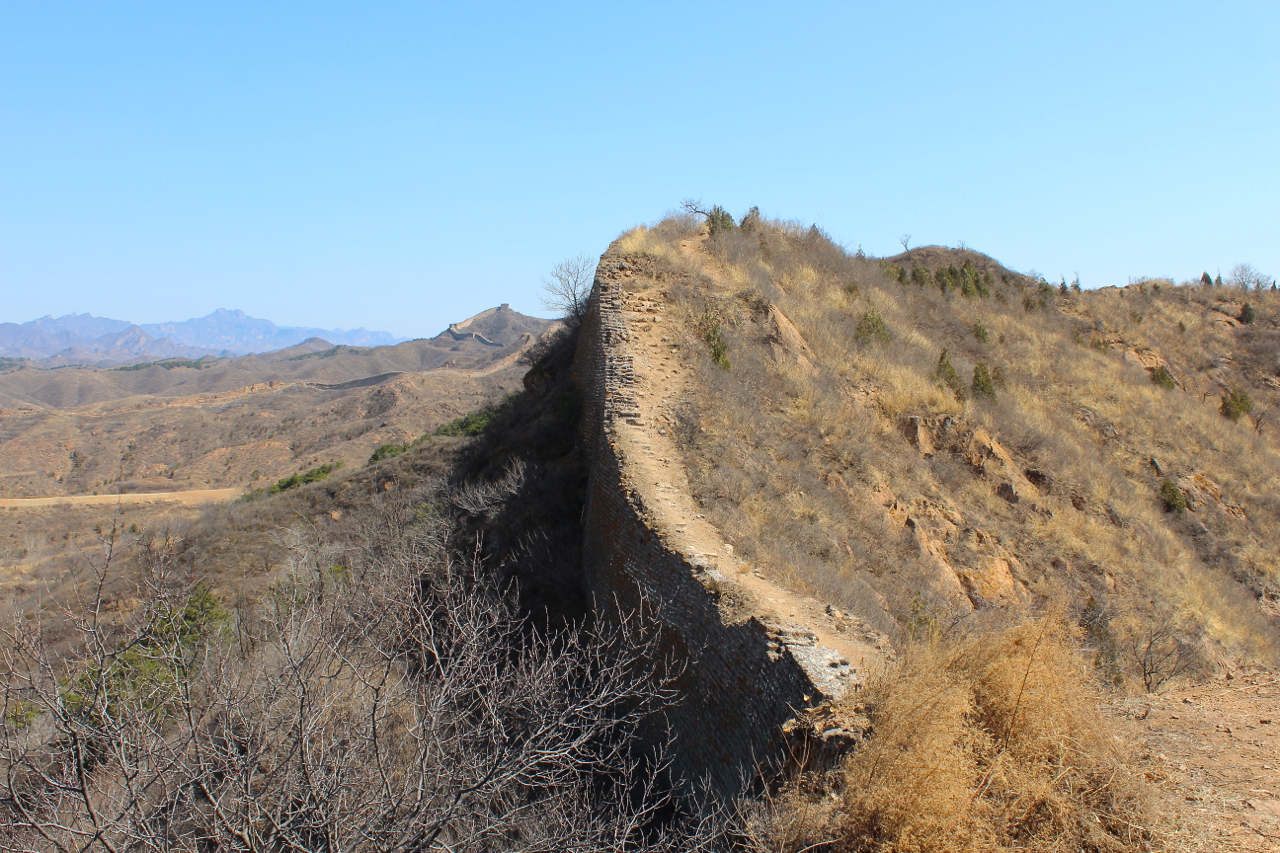
Gubeikou
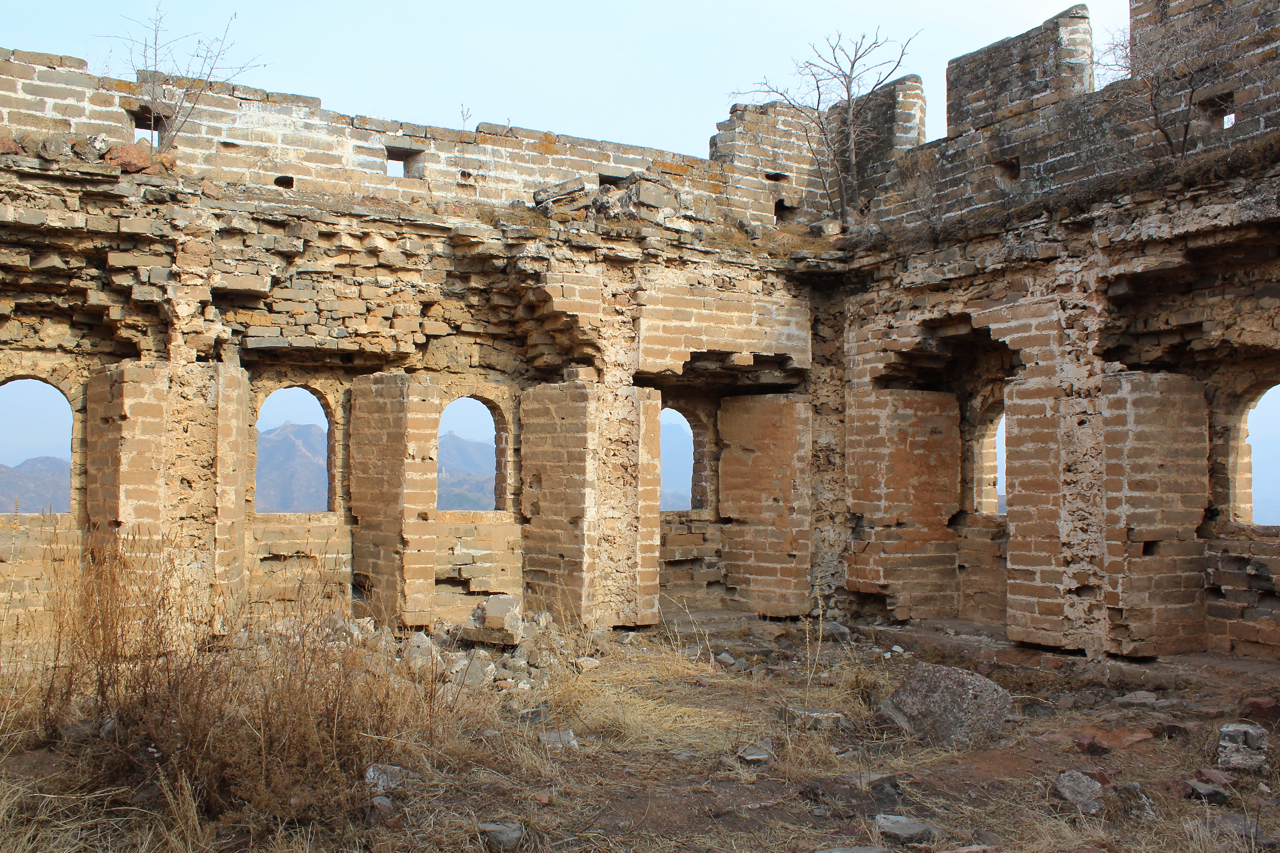
Gubeikou
On the fourth day of the trek we began our 10 kilometre walk from the Jinshaling section of the wall. We started near the Zhuanduo Pass, where there is a big statue of Qi Jiguang, a general of the Ming Dynasty who was responsible for the reinforcement of most of the Ming Dynasty Great Wall in Beijing. During the trek, a part of the route is blocked off by the military which meant we had to climb around the closed off section to continue our walk. On the jinshaling loop on a clear day you can see mountains as far as Mongolia and really feel the magic of the Great Wall of China.
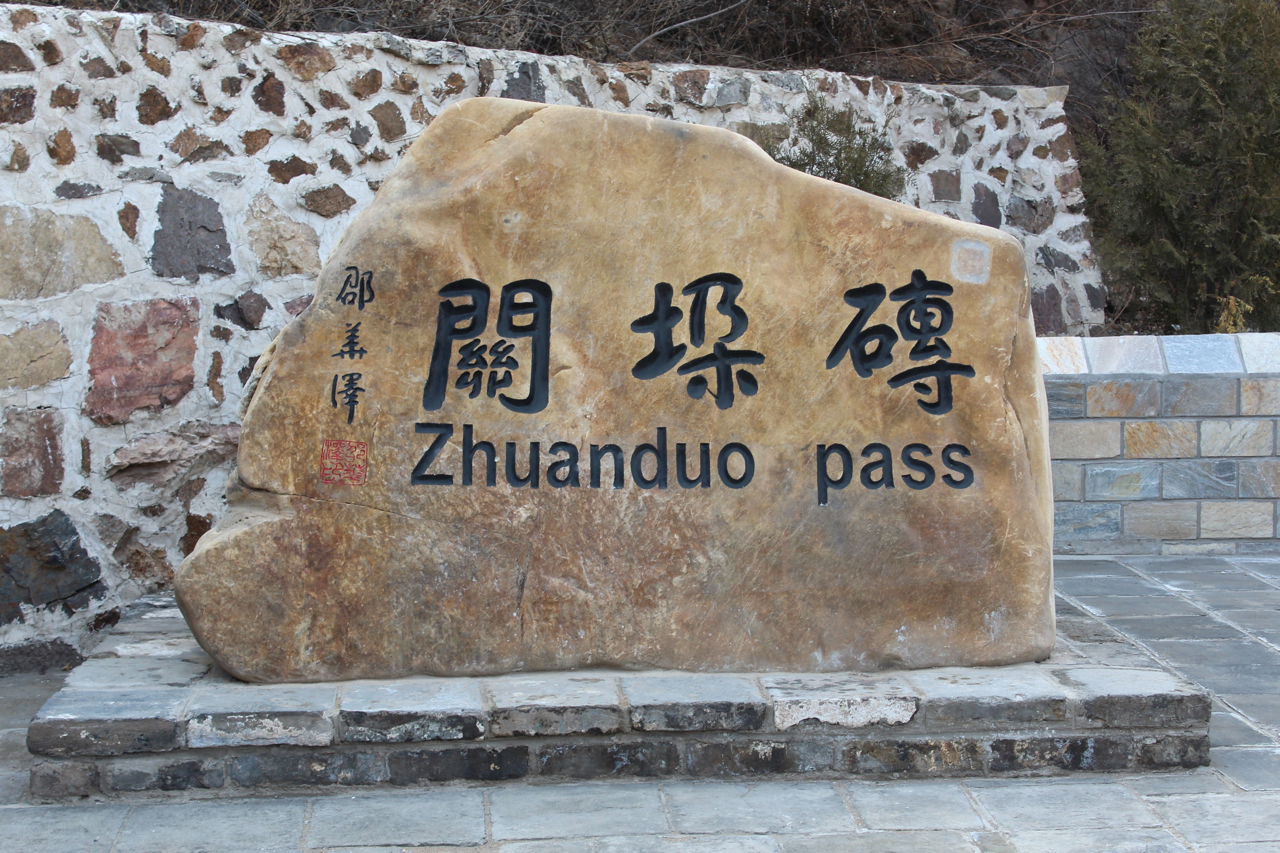
Jinshaling- Zhuanduo Pass
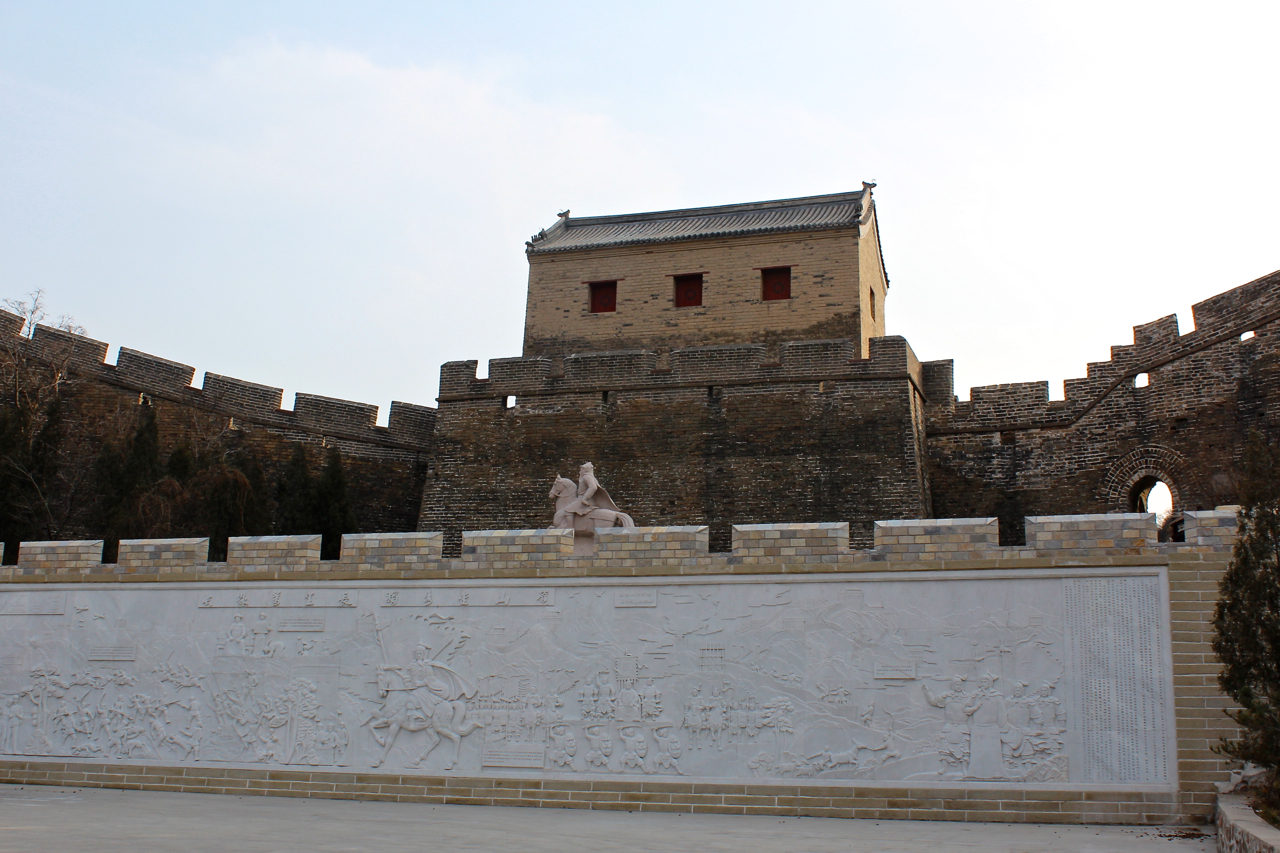
Jinshaling- Zhuanduo Pass
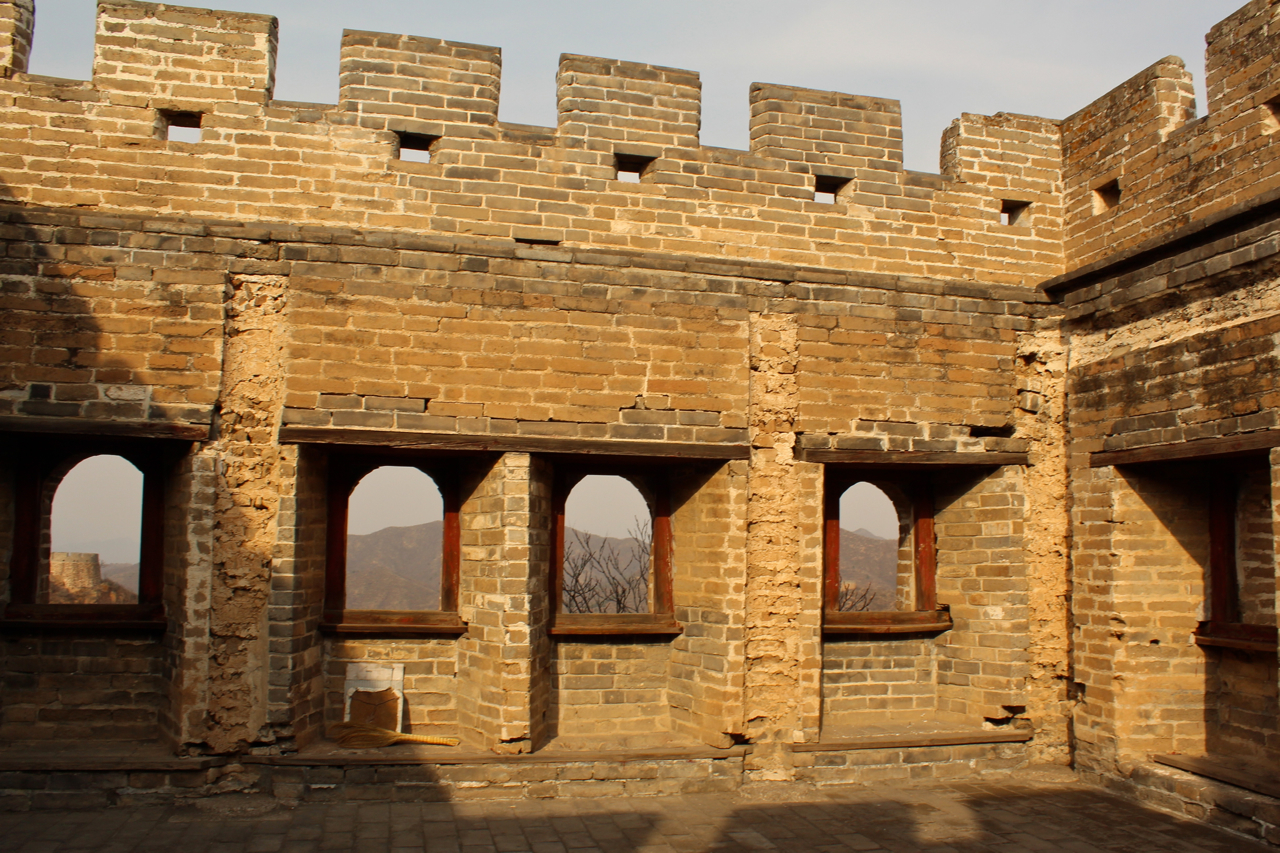
Jinshaling

Jinshaling

Jinshaling

Jinshaling

Jinshaling- Standing with the guard to the watchtower who would not allow us to go any further.

Jinshaling
On the final and 5th day of the trek we made our way to Mutianyu, a reconstructed section of the wall popular with tourists. Before even starting our trek, we had to climb hundred of steps to reach the Great Wall! By this point we were all extremely tired and our legs and knees were feeling the pain from the steep ascents and descents from the unrestored parts of the wall. Mutianyu is renown for its spectacular section where the original battlements and drainage systems have been carefully restored. The gruelling final task of the trek was to climb the ‘Stairway to Heaven’ which comprised of 1000 steep steps before reaching a viewing platform. When we got to the top we had a long descent and our trek was over. Covering 60 Kilometres over 5 days, it was time for a well deserved rest.

Mutianyu

Mutianyu – Stairway to Heaven

Mutianyu – Stairway to Heaven
Spending 5 days covering many different parts of the Great Wall of China was a dream come true. It is certainly not a walk in the park but the rewards make it all worthwhile.
Mao Zedong, leader of the People’s Republic of China from 1949 until his death in 1976, once made the following comment regarding the Great Wall:
“He who has not climbed the Great Wall is not a true man”
…after climbing thousands of steep steps up and down I can understand the truth of this statement better.
To be continued….
Next post coming soon: Part 2 : The Eastern section of the Great Wall of China (Shanhaiguan)